It's time to upgrade your browser

Your current browser is no longer supported on llbean.com. Please upgrade to one of the following for a smoother, safer shopping experience with us:

Hiking Joggers

Explore hiking joggers for a casual alternative to traditional hiking pants. Browse the selection and compare each pair’s fit, sizing and features to find an option that suits your preferences and plans for the trail.
Read More
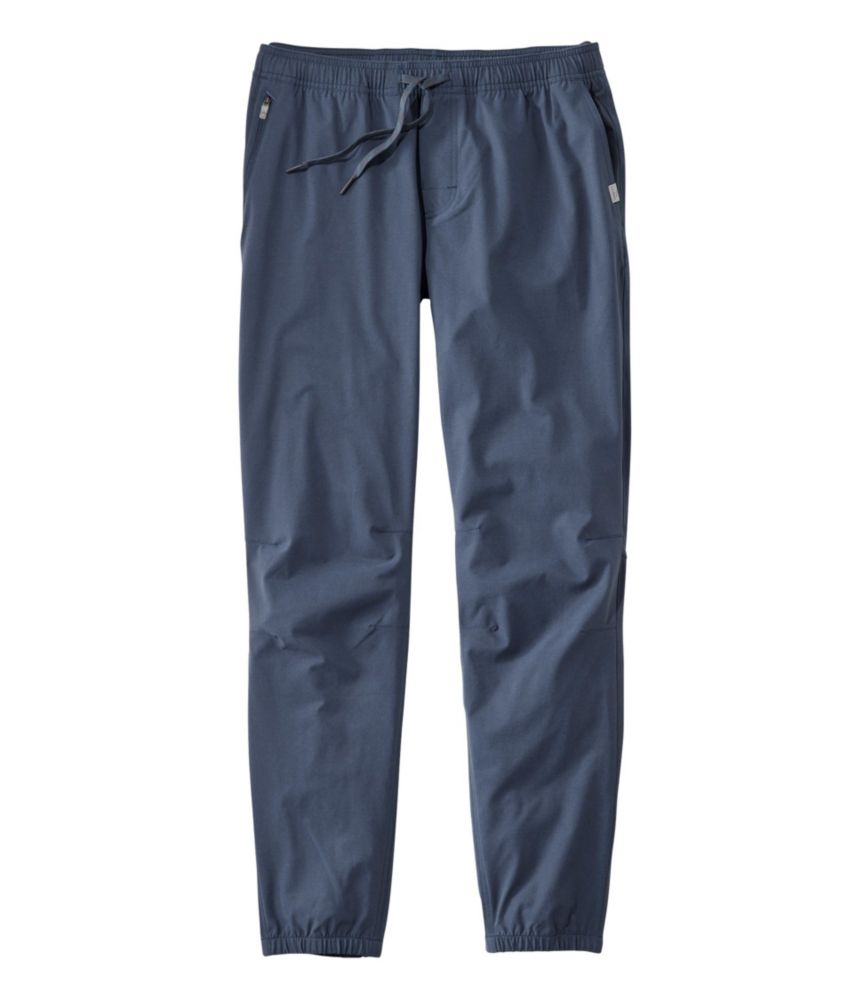
Men's L.L.Bean Multisport Joggers
L.L.Bean Men's L.L.Bean Multisport Joggers
A pair of carbon navy joggers with four-way stretch, quick-dry fabric, and UPF 50+ protection.
(1,522)
$79.95 $79.95
SALE
What customers like:
Great fit
Versatile for various activities
Well-made and durable
Quick-drying fabric
Comfortable to wear
$79.95 $79.95
SALE
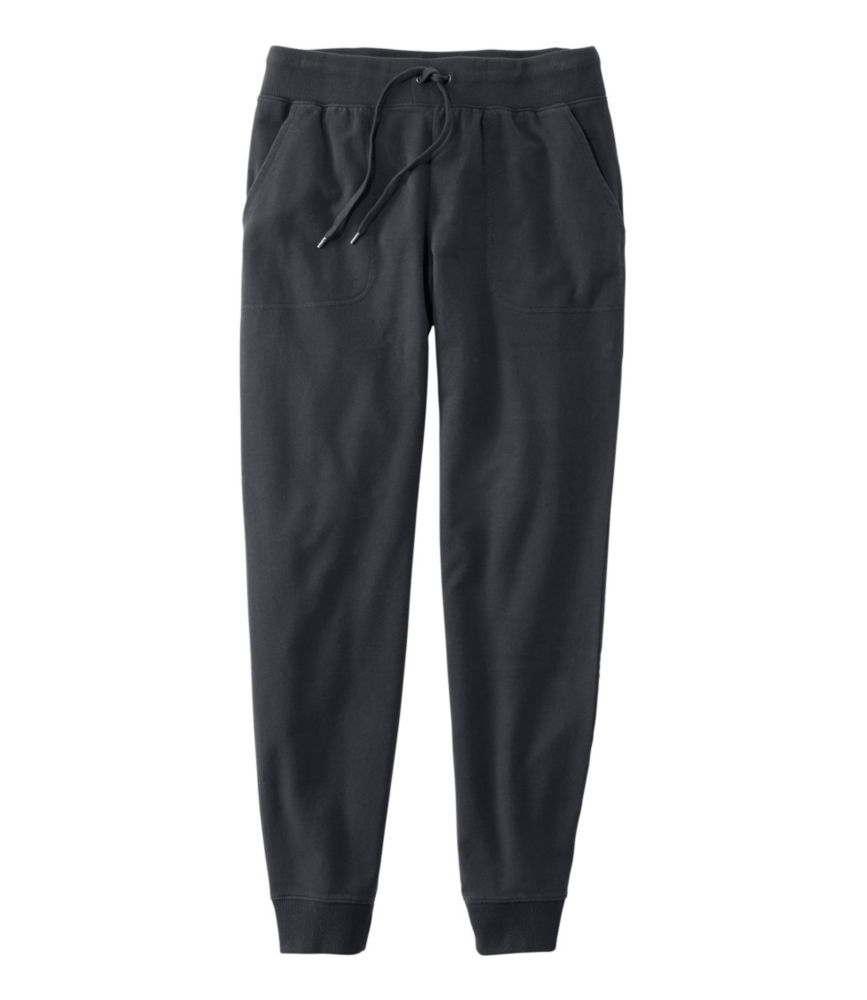
Women's Ultrasoft Sweats, Drawstring Jogger
L.L.Bean Women's Ultrasoft Sweats, Drawstring Jogger
A pair of ink black jogger sweatpants in 95% cotton with a comfortable elastic waistband and drawstring.
(1,877)
$69.95 $69.95
SALE
What customers like:
Soft material
Great quality
Deep pockets
Comfortable fit
Perfect for casual wear
$69.95 $69.95
SALE
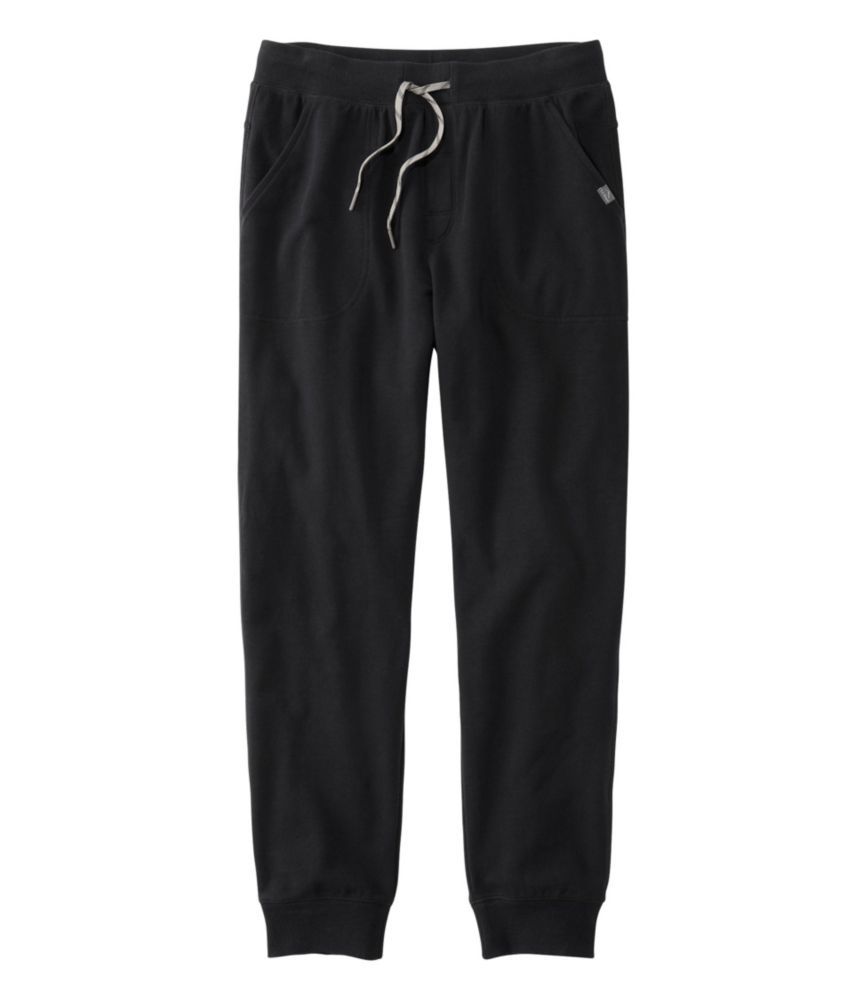
Men's Comfort Camp Sweatpants
L.L.Bean Men's Comfort Camp Sweatpants
A pair of midnight black sweatpants with a stretchy polyester-cotton blend and moisture-wicking performance.
(1,164)
$79.95 $67.99
SALE
What customers like:
High quality
Perfect fit
Durable construction
Exceptional comfort
Soft fabric
$79.95 $67.99
SALE

Hiking Joggers

Hiking joggers bring a familiar, easygoing silhouette to the hiking wardrobe, offering an alternative to the straight lines of traditional hiking pants. The jogger shape generally narrows toward the ankle, though the amount of taper, the leg opening and the overall proportions differ from style to style. That distinction matters when choosing a pair: some people prefer a closer outline through the lower leg, while others like a more relaxed shape from hip to hem. A collection of hiking joggers provides a place to compare those details and find a style that feels like a natural part of an outdoor wardrobe. For someone who enjoys a familiar loop through the woods, clothing choices can be as personal as the choice of trail itself. One hiker might favor an understated look with few visible details; another might prefer a more pronounced cuff or a different pocket arrangement. Neither approach needs to be complicated. Start with the shapes and proportions already worn and enjoyed, then look at how each pair is described rather than assuming that every jogger has the same construction. The category name identifies a style of hiking pants, not a single fabric, fit or set of features. Product descriptions, photographs and size information provide the more specific picture. A front view can help show the outline of the leg, while side and back views can clarify pocket placement and the shape through the seat. For a wardrobe built around timeless outdoor style, simple lines and thoughtful proportions can be more useful starting points than unfamiliar terminology. The goal is a pair that suits the person wearing it, whether hiking is a long-standing weekend tradition or a newer way to spend time outside with friends and family. A favorite trail, a quiet overlook and a little time together are good reasons to make that choice personal rather than follow a single idea of what hiking clothing should look like.

Fit deserves particular attention because two pairs labeled with the same size can have noticeably different proportions. Waist, hip and inseam measurements offer a clearer starting point than the size label alone. Comparing the listed measurements with a pair of pants that already fits well can help make the differences easier to understand. Consider where the waistband sits, how much room is preferred through the seat and thighs, and where the hem should fall. An ankle-length appearance in a photograph may look different on someone taller or shorter than the model, so inseam information is worth checking alongside the images. With a tapered leg, the relationship between length and the lower-leg shape also affects the overall look. A hem that ends neatly near the ankle creates a different outline from one that gathers above the shoe. When trying on hiking joggers, sitting down, bending the knees and taking a few deliberate steps can reveal more about personal fit than standing still in front of a mirror. These simple checks help identify pulling, unwanted bunching or a waistband that does not sit where expected; they are not a substitute for the measurements and fit notes. Look closely at fastening and adjustment details, too, rather than assuming a particular waistband design comes with every pair. Pocket layout is another useful comparison point. Someone who prefers a clean, minimal appearance may make a different choice from someone who likes clearly defined pockets, and the description should establish the pocket and closure details. Fabric information belongs in that same individual comparison. Read the stated composition and construction for each style without treating the word “jogger” as a description of what it is made from. Shoppers comparing neighboring categories can also explore Running Joggers, while checking each description separately rather than assuming the two categories share identical details. Careful comparison keeps the decision grounded in the actual garment and the wearer’s preferences.

Choosing hiking joggers also means thinking about the everyday habits that surround a day outside. There is the evening spent setting out clothing, the early start to meet a friend and the return home when everything needs to be put away. Care instructions are part of that picture, especially for someone who values a straightforward clothing routine. Before choosing a pair, review the listed washing and drying directions and consider how they fit with the way laundry is handled at home. After purchase, follow the garment’s own care label rather than borrowing instructions from another pair that looks similar. Fabric composition, trim and construction can differ even when two styles have much the same outline. Long-term value is a reasonable consideration, but appearance alone does not establish durability, and a category name cannot promise a particular lifespan. Specific construction information and proper care provide a more useful basis for a considered choice than broad promises about lasting through every outing. Personal preference matters just as much when hiking joggers are given as a gift. They can be a thoughtful choice for someone who enjoys hiking, particularly when the giver knows the recipient’s usual size, preferred rise and favorite pant shape. Taking measurements from a well-liked pair, with the recipient’s help, can make the selection more personal than guessing from a size alone. Think about the details that person consistently chooses: a more relaxed leg, a shorter inseam or a simpler overall appearance. For a family member who likes planning the route, or a friend who always makes time for another walk through the woods, attention to those preferences gives the gift meaning without requiring an elaborate occasion. Whether selecting a first pair or adding another shape to an established hiking wardrobe, the most useful comparison comes back to clear information and familiar preferences. Look at the cut, confirm the measurements, read the fabric and care details, and choose with the wearer in mind. That approach leaves room for individual style while keeping the focus on the shared pleasure of getting outside.
Read More

FAQs